In the 1990s Tim Berners-Lee invented a `user friendly way` of accessing the internet for the non-expert. This helped create standards for communications that would allow all computers to communicate with each other albeit only in text and numerical data. This allowed for the development of web browsers and more public access, Berner-Lee`s intention was a democratic shared internet. Not long after, in 1993 the development of graphical interfaces (the original form of Netscape) followed. Graphical representations and the development of visual web increased its appeal to non-research and academic users.
Digital communities can curate or share knowledge, users can seek and share advice, accumulate and curate knowledge through Wikis, chat groups, Fora. These digital communities are larger and more disparate connected by shared interests at a particular moment- not necessarily an ongoing community however sometimes it could become one. Furthermore, fan communities have existed around music, film and TV for a long time. Notable fan communities emerged around cultish texts such as Humans. These communities formed around ‘fanzines’; printed shared, fan produced content. Fan scholar Henry Jenkins refers to this activity as ‘participatory culture’ (Jenkins H. 2006). Fans, bloggers and gamers exploring participatory culture.
Firstly, Humans embodies digital communities as after the first series release in 2015 by Channel 4/aMC fan communities began to rise with the help of marketing campaigns. Humans is based on the Swedish series “Real Humans” which creates intertextuality, illustrating it is somewhat known to fan communities therefore they develop an interest. According to Jenkins, “fans are devoted followers of media texts who actively engage with the products to construct their own meanings and interpretations beyond the original message” (Jenkins H. 2009). Humans fan community began creating Fan fictions through alternative scenarios of what they thought the series could end as, which is textual poaching as they took the plot of the series and altered it into their desire, such as putting the characters they ship in a relationship in their wikis and fan fictions, which creates interactions as many others support the same ship, therefore, they all relate and discuss their thoughts and create a community involving their creations through self-made websites as well as external websites such as Wikipedia.Matt Hills explains that fan cultures have a drive to archive and preserve (Matt Hills, 2003, Fan Cultures) Fandom: platform hosts fan wikis for huge range of film, TV, games and comics. Moreover, fans began to create artwork of their favourite characters and sharing it on social media to showcase their work in which people began to post their own artworks in the comment sections. Some were hand drawn and some were digital arts which were posted on Humans websites.
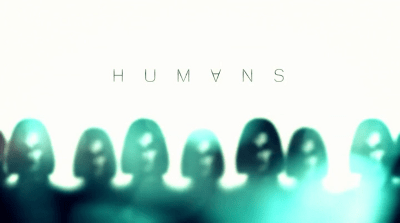
To advance and expand the digital community of Humans, marketing strategies began with the release of “The Birth of Persona Synths”, in 2015 when this was released unconventional advertisement began showcasing realistic robots called “your new best friend”, “buy your own Synths”, enabling users to buy their synths on a website created alongside the Birth of Persona which helped fans interact within the community and expand as they were interested in discussing and buying their own synths, as well as exploring the website made in the campaign. In the Regent Street shopfront, screens displayed interactive animations screens showing the synths in a realistic vision, which fans visited to see what was going on, leading to more fan communities being created as they found mutual interests in this campaign. Although you could not buy the synths in reality, the unconventional advertisement had people interacting and conversating about how realistic and extravagant it was. In Galsgow and Manchester vans were also sent out to “pick up malfunctioning synths” which caught the eyes of the public and created a sense of realism for the audience.
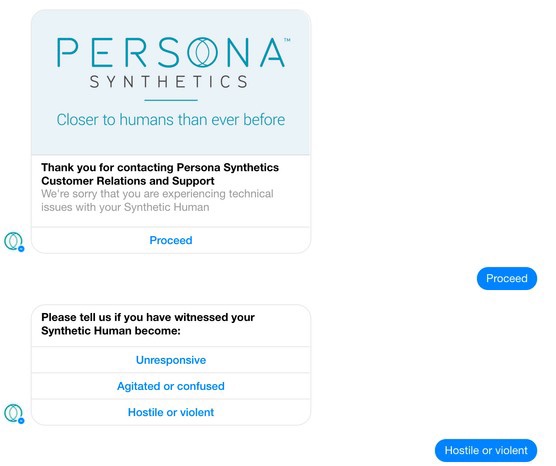
A Twitter trend was established with #personasynths which was trending shortly after it began as the website had half a million hits and an Ebay auction had more than 300,000 views for the purchasing of the synths. This captured the audience successfully and expanded fan communities as well as gave them ideas as to what they can create from this campaign. Humans became Channel 4`s most successful drama as it reached out into hyperreality overlapping with our real world which created escapism for those who were fans of the series.
Overall, with the use of marketing, digital communities expand and are enhanced by giving the fan communities ideas and interactivity to communicate with each other and create more products of their own.
Reference list:
https://www.channel4.com/programmes/humans
https://archiveofourown.org/tags/Humans%20(TV)/works
https://www.degruyter.com/document/doi/10.18574/nyu/9780814743713.003.0030/pdf
https://www.taylorfrancis.com/books/mono/10.4324/9780203361337/fan-cultures-matthew-hills
 Consumption of Digital media as labour in Mobile Legends: Bang Bang
Leave a comment